If you're someone who takes things to heart, do you often hear others say that you're “too sensitive”, “dramatic” or “overreacting"?
When you feel something deeply, do you feel intensely caught up in it as if it’s permanent and never-ending? It's like you can't let it go or see past it.
This is a common experience for neurodivergent people (although others experience it too) and is called emotional dysregulation. Personally, I don’t like this term because it sounds like the name suggests that this is abnormal, or that it’s somehow wrong. From the point of view of someone who feels this way, it can look like other people are under-reacting to things. At the same time, it's good that there is a term at all because of how isolating it can be when you experience it.
How validating is it when you have a shared experience with someone and the way they react is exactly the same as how you feel? But when you’re the only one to respond to a situation with stress, frustration, or [insert emotion here], and someone tells you that you’re overreacting, it can feel so dismissive and isolating. It can make you question yourself and think “maybe my reaction is wrong” or “maybe I shouldn’t feel like this.”
You can’t feel “too much”.
You feel exactly as much as you’re meant to. It’s just the way you are. Just because other people feel things differently, it doesn’t mean that the way you feel things is wrong. You can try to rationalise things or change your perspective, but if something hurts you, it still hurts. What gives anyone the right to tell you that you shouldn’t be upset or bothered by a particular situation? The way that you act based on your feelings is a different story, but everyone has the right to feel how they feel. That’s your own.
But when you hear over and over again that you’re “overreacting” or that you’re “too sensitive” or you’re “being dramatic”, you start to believe them. You feel like maybe there’s something wrong with you and you shouldn’t feel this much. You think maybe it’s such a small thing that it doesn’t matter, even though it hurts you and you don’t understand how other people see the same things as “not a big deal”. You even change your behaviour or mask to hide how much things bother you, and try to fit in with the people who seem normal.
But actually, the way you feel things is individual and normal. By pushing it down, dismissing it or denying it, you actually prevent yourself from processing it, and it sticks around for even longer. You’re not just dealing with your original feeling (the hurt), but you’re dealing with the confusion of why others see it so differently, the frustration of being misunderstood, shame about feeling the way you feel (because you learned that you must be wrong for it), and overwhelm because you’re feeling so many things at once and can’t untangle it all. It feels intense when you can’t figure out what’s going on for you.
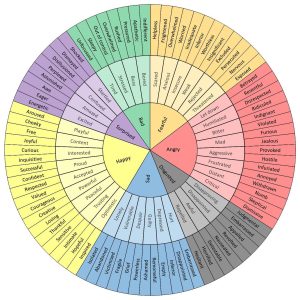
When you look at it from a distance and see all these layers, you can then zoom in and start to pick it apart and untangle it. It becomes more understandable. Practice tuning into your body, being curious about where you feel your emotions in your body. Then learn to describe and name your emotions. If this is difficult, and it doesn’t come naturally for many of us, it might help to use an emotion wheel. Learning to understand and accept your emotions can help them feel less intense and less consuming.
Sometimes part of the problem is feeling misunderstood, invalidated, and isolated. You might think you’re the only one who feels this intensely about things. When you meet other people like you, or even just hear their stories and experiences, you realise it’s not just you. You’re not alone in how you’re feeling. It’s validating. There are so many different ways to be a person and experience things. It’s sad that people don’t talk about this more and struggle with it alone.
I’m in a unique position where I hear so many stories like this. The more you hear these stories and piece it all together, you realise a lot of us have been struggling with the same thing while using slightly different language to describe it. We are actually more normal than we think and it’s okay to accept yourself just as you are.
What can actually help
There are good things that come with being a sensitive person. For example, you are likely to have a lot of empathy for others. You may be very passionate about things you care about, and when things are good, they’re really good. The ability to channel emotions could mean that you are very creative.
That being said, it can be tiring, isolating and overwhelming to experience life in this way, so let’s look at a few things that can help.
In the short term, grounding techniques can help with the overwhelm. You can try a few different ones such as…
- Splashing cold water on your face
- Naming 5 things you can see, 4 things you can feel, 3 things you can hear, 2 you can smell, 1 you can taste
- A breathing technique such as box breathing; 4 seconds in, 4 seconds hold, 4 seconds out, 4 seconds hold, repeat as many times as necessary
In the long term, it helps to understand your emotions, where you feel them, what they are, as well as naming them and accepting them. If you don’t know how to start with this, therapy can help you learn. It doesn’t make the strong emotions go away, but it can help them to feel less intense, and less consuming. It helps you remember that there’s a reason for why you feel the way you do, and that the way you feel is temporary.
Self-esteem tips for neurodivergent people
- Work towards understanding and accepting your feelings
- Lean into your passions and special interests
- Learn more about neurodivergence and the ways that people experience it, (through YouTube videos, forums and Facebook groups to learn from neurodivergent people)
- Name your emotions rather than suppressing them. Your outlet could be a therapist, a friend, or even a journal
- Reduce exposure to invalidating relationships to make space for people who accept you and like you they way you are
If you’d like to learn more about me or my work, have a look at my about me page.
If you’re interested in trying counselling sessions with me, you can get in contact here. I offer a free 20 minute introductory call to help us see if we would be a good fit.